
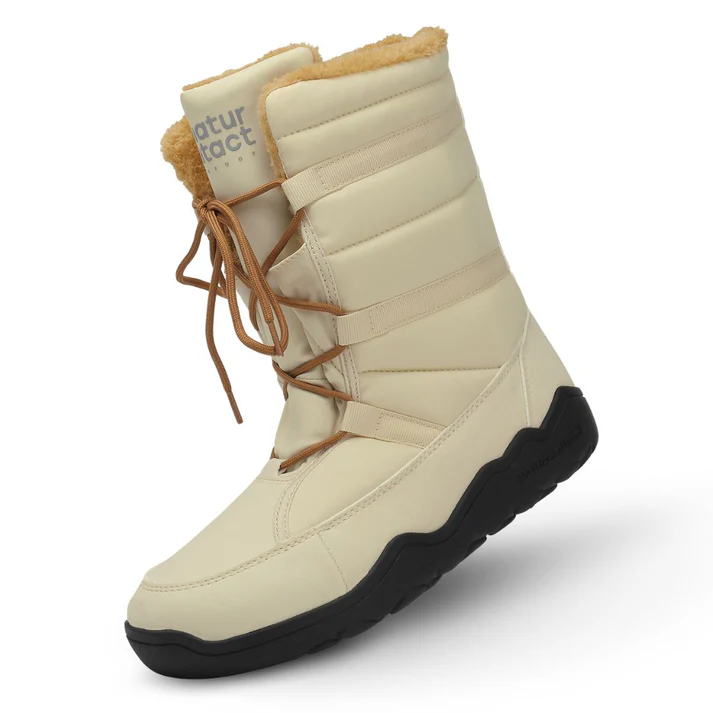
For many of us, the first thing we do after a long day is kick off our shoes. That instant relief is not only about comfort. It is a physical response to hours of restriction. Our feet are remarkable feats of biological design, yet modern fashion often forces them into narrow, rigid shapes that value appearance over anatomy.This realization has sparked a significant shift in the wellness community, leading many to discover the benefits of barefoot shoes for women as a way to restore natural movement and alleviate chronic pain. By mimicking the experience of walking barefoot while providing essential protection from the elements, these shoes allow the foot to function exactly as nature intended.
The Hidden Cost of Traditional Footwear
To understand the rise of minimalist footwear, we must first examine the damage caused by conventional shoes. For decades, standard designs have relied on narrow toe boxes, raised heels, and rigid arch supports. While these features may feel supportive at first, they often weaken the foot over time. When shoes handle all the support, the small muscles in the feet stop working. This inactivity can lead to collapsed arches and reduced strength.
Modern shoes also push the toes into unnatural positions. Even athletic footwear often squeezes the front of the foot. This pressure contributes to bunions, hammertoes, and nerve pain. When the big toe cannot align properly, it fails to stabilize the body. That instability travels upward and can trigger knee pain, hip tightness, or lower back discomfort.
Understanding the Barefoot Philosophy
A true barefoot shoe is not just thin footwear. It follows specific design principles that respect natural foot function. When choosing a pair, focus on four essential features:
Zero drop:
The heel and forefoot sit at the same height. Traditional shoes often raise the heel, which shifts posture and shortens the Achilles tendon. Zero-drop soles support a neutral spine and natural walking pattern.
Wide toe box:
The front of the shoe should match the natural shape of the foot. A wide toe box lets the toes spread freely, which improves balance and stability.
Flexibility:
A quality barefoot shoe bends and twists easily. This flexibility allows the foot to move through its full range and activates muscles that may have been inactive for years.
Thin soles:
Most minimalist shoes have soles between 3mm and 10mm thick. Thin soles improve ground awareness and help the brain respond faster to movement and surface changes.
The Ripple Effect of Natural Movement
When footwear allows natural motion, the benefits extend beyond the feet. Many people notice improved posture early on. Without elevated heels, the pelvis returns to a neutral position. This alignment reduces lower-back strain and helps the shoulders and head stack correctly.
Thin soles also enhance sensory feedback. The feet contain thousands of nerve endings that communicate with the brain. Cushioned shoes dull this information. Barefoot shoes restore that feedback, helping the body adjust impact naturally. Many wearers develop a lighter step that reduces joint stress.
How to Transition Without Pain
One common mistake is switching too fast. If you have worn cushioned shoes for decades, your feet need time to adapt. Jumping into long walks too soon can cause strain or injury.
Treat the transition like training. Start by wearing barefoot shoes indoors for short periods. After that, use them for quick errands or brief walks. Pay attention to your calves and Achilles tendons. Tightness there is common as they lengthen and strengthen.
Foot exercises can speed up adaptation. Try towel scrunches by pulling a towel toward you with your toes. Practice spreading your toes without using your hands. These small movements help rebuild strength at the foundation.
When Style Meets Functional Health
Minimalist shoes once lacked variety. Early designs focused on function and ignored style. That has changed. Today’s market offers elegant flats, leather boots, athletic trainers, and hiking shoes that follow barefoot principles.
You no longer need to choose between fashion and health. Natural movement can fit into work, social life, and outdoor adventures. The key is consistency. Make functional footwear part of your daily routine, not just workout gear.
Reclaiming Your Foundation
The shift toward barefoot shoes is more than a trend. It is a return to natural human movement. By removing artificial support, the body regains its ability to move, balance, and heal.
This transition requires patience and body awareness. The rewards, however, are significant. Improved mobility, fewer injuries, and stronger feet all follow. If you want to address foot pain or improve overall movement, changing how you walk is one of the most powerful steps you can take.
