
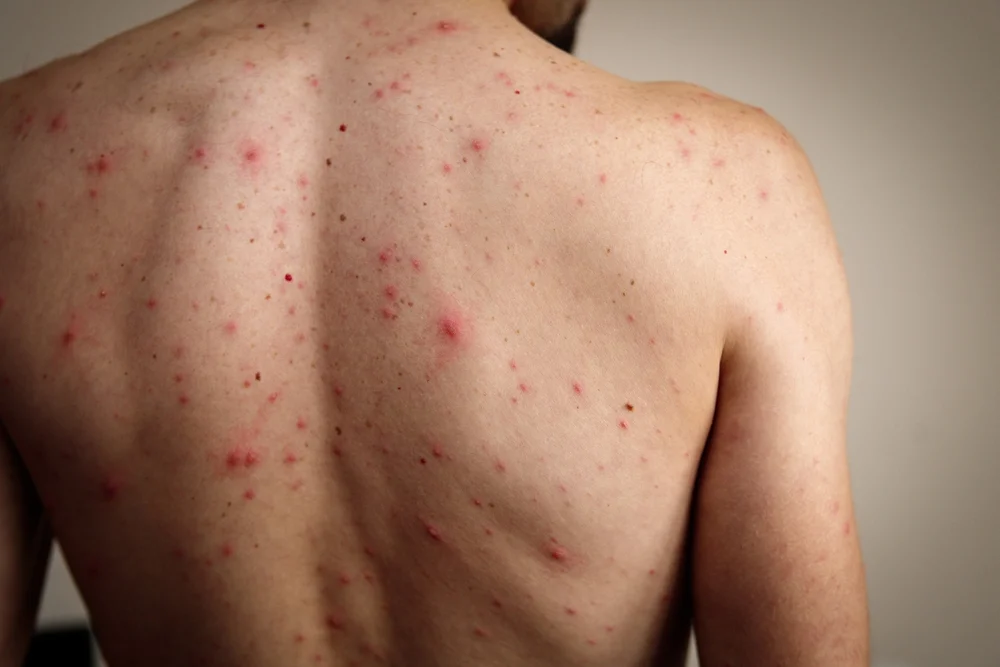
Acne is commonly associated with the face, but it can also appear on other parts of the body. One of the most common areas where people experience breakouts is the back. Often referred to as “bacne,” this condition can affect teenagers and adults alike. Because the back has a high concentration of oil glands, it can become a common site for clogged pores, inflammation, and acne breakouts.
Back acne can be frustrating because it is harder to reach and treat compared to facial acne. In addition, sweat, tight clothing, and friction from daily activities can worsen the condition. Many individuals who struggle with persistent breakouts on their back begin to explore professional options such as back acne treatment to address the underlying causes and improve skin clarity.
Understanding what causes back acne and how it can be treated is the first step toward achieving healthier skin.
What Causes Back Acne
Back acne develops when pores become clogged with oil, dead skin cells, and bacteria. The skin on the back contains many sebaceous glands that produce natural oils. When these oils combine with dead skin cells, they can block hair follicles and create an environment where acne-causing bacteria thrive.
Several factors may contribute to this condition.
Excess oil production
Overactive sebaceous glands produce more oil than the skin needs, which can clog pores.
Sweat and friction
Sweat trapped under tight clothing or sports gear can irritate the skin and contribute to breakouts.
Hormonal changes
Hormonal fluctuations during adolescence, menstruation, or stress can increase oil production.
Poor skincare habits
Using heavy lotions or failing to cleanse the skin properly after sweating may worsen acne.
Because the back is often covered by clothing, these factors can create an environment where acne develops more easily.
Different Types of Back Acne
Back acne can appear in several forms depending on its severity.
Whiteheads and blackheads
These are mild forms of acne that occur when pores are clogged but not severely inflamed.
Papules
Papules are small, red bumps that develop when clogged pores become inflamed.
Pustules
Pustules are similar to papules but contain pus, giving them a white or yellow center.
Cystic acne
Severe back acne may form deeper cysts under the skin, which can be painful and more difficult to treat.
The type of acne present often determines the most effective approach for treatment.
The Impact of Back Acne
Although back acne may not always be visible to others, it can still affect a person’s confidence and comfort. Some individuals feel self-conscious wearing clothing that exposes their back, such as swimwear or sleeveless outfits.
In more severe cases, acne can lead to dark marks or scarring that remain even after the active breakouts have healed. These marks may take a long time to fade without proper care.
Because of these concerns, many people seek back acne treatment to improve both the appearance and health of their skin.
Lifestyle Habits That Help Reduce Breakouts
Certain lifestyle adjustments can help reduce the likelihood of back acne.
Shower after sweating
Sweat left on the skin can trap bacteria and oils, so cleansing the skin after workouts is important.
Wear breathable clothing
Loose, breathable fabrics reduce friction and allow sweat to evaporate more easily.
Use non-comedogenic products
Skincare products labeled as non-comedogenic are less likely to clog pores.
Exfoliate gently
Regular exfoliation helps remove dead skin cells that may contribute to clogged pores.
These habits can help support clearer skin when practiced consistently.
Skincare Approaches for Back Acne
Treating back acne often requires a combination of skincare products and professional care. Cleansers containing ingredients that help remove excess oil and bacteria are commonly used to manage breakouts.
Exfoliating products may also help unclog pores and promote healthier skin turnover. However, because the skin on the back can be sensitive, it is important to avoid overly harsh products that may cause irritation.
Individuals with persistent or severe breakouts often explore professional back acne treatment options that target deeper layers of the skin and address long-term concerns.
Professional Treatment Options
Professional treatments can provide more advanced solutions for individuals who have not seen improvement with basic skincare routines. These treatments are typically designed to reduce inflammation, unclog pores, and promote clearer skin.
Some approaches focus on deep cleansing and exfoliation to remove impurities from the skin. Others aim to improve skin texture and reduce acne scars by stimulating skin renewal.
Consulting with skincare professionals allows individuals to receive personalized recommendations based on their skin type and the severity of their acne.
Preventing Future Breakouts
Preventing back acne involves maintaining consistent skincare habits and paying attention to factors that may trigger breakouts. Regular cleansing, wearing appropriate clothing, and managing stress can all contribute to healthier skin.
It is also important to avoid picking or squeezing acne lesions, as this can worsen inflammation and increase the risk of scarring.
With proper care and attention, many people can significantly reduce the frequency and severity of back acne over time.
Conclusion
Back acne is a common skin concern that can affect individuals of all ages. Although it may develop for several reasons, including excess oil production, sweat, and hormonal changes, effective solutions are available.
By understanding the causes of back acne and adopting healthy skincare habits, individuals can improve the condition of their skin. For those dealing with persistent breakouts, professional back acne treatment can provide targeted solutions that address the underlying causes and help restore clearer, healthier skin.
With consistent care and the right approach, managing back acne becomes much more achievable, allowing individuals to feel more comfortable and confident in their skin.
