
 Propranolol and Anxiety: a Game Changer for Many?
Understanding Propranolol: Beyond Blood Pressure Control
Propranolol, a medication primarily known for treating high blood pressure, has gained recognition for its effectiveness in managing anxiety. Its use goes beyond cardiovascular health, offering relief for physical symptoms of anxiety, such as rapid heartbeat and trembling. By blocking adrenaline’s effects, propranolol helps to calm the body’s automatic responses to stress, creating a sense of control for those with situational anxieties. This beta-blocker has emerged as a versatile tool, providing an alternative approach for individuals seeking to alleviate anxiety symptoms.
| Propranolol Uses | Description |
|---|---|
| Blood Pressure Control | Primarily used for managing hypertension |
| Anxiety Relief | Mitigates physical symptoms of anxiety |
How Propranolol Works to Relieve Anxiety Symptoms
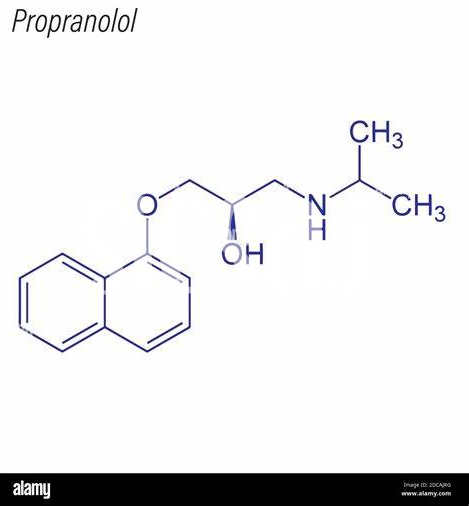
Propranolol, a beta-blocker primarily prescribed for heart-related issues, has found a unique role in alleviating anxiety symptoms. It works by blocking the action of stress hormones like adrenaline. This hormone often exacerbates physical anxiety signs such as a racing heart or trembling hands. By dampening these responses, propranolol helps reduce the overpowering sensations that anxiety can trigger.
Many individuals find relief in its ability to control physical symptoms without affecting mental clarity. Unlike traditional anti-anxiety medications, propranolol doesn't alter mood or cognition, making it a preferred choice for those seeking to manage physiological responses. It’s especially helpful in situations like public speaking or performance, where the body’s fight-or-flight reaction might interfere. Propranolol offers a calm presence, allowing individuals to tackle their anxiety head-on.
Real-life Experiences: Success Stories with Propranolol
When Emma first encountered debilitating anxiety during work presentations, she feared her career might be in jeopardy. After a recommendation from her healthcare provider, she tried propranolol. To her surprise, the calming effect allowed her to speak with newfound confidence, turning anxiety from a formidable barrier into a manageable challenge.
Similarly, Jake, a college student, struggled with anxiety in social settings. Propranolol helped him feel at ease during gatherings, allowing him to form meaningful connections. These experiences highlight propranolol's potential to transform lives.
Potential Side Effects: What Users Need to Know
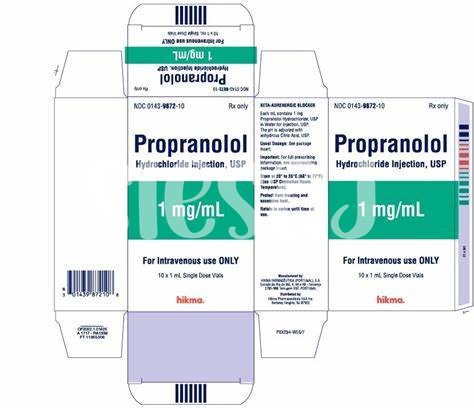
When considering propranolol for anxiety, it's essential to weigh the potential side effects, as they can significantly impact the decision to use this medication. Some users report mild issues, such as fatigue and dizziness, which might subside over time. However, for those already managing other medical conditions, like asthma or diabetes, propranolol can sometimes exacerbate these conditions. It's crucial for individuals to closely monitor how their body responds and maintain an open dialogue with their healthcare provider to ensure safe and effective usage.
Comparing Propranolol to Other Anxiety Treatments
In the landscape of anxiety treatments, propranolol emerges as a unique contender. Unlike selective serotonin reuptake inhibitors (SSRIs) or benzodiazepines, propranolol primarily targets the physical symptoms of anxiety, such as rapid heartbeats and trembling. This beta-blocker offers a short-term solution often favored for situational anxiety, such as public speaking. However, it's critical to consider that propranolol doesn’t directly alter mood or emotional states like SSRIs. Comparing its efficacy, propranolol is a powerful tool for immediate relief, though it may not address long-term anxiety triggers.
| Treatment | Primary Action | Use Case |
|---|---|---|
| Propranolol | Reduces physical symptoms | Situational anxiety |
| SSRIs | Alters serotonin levels | Long-term anxiety management |
| Benzodiazepines | Provides sedation | Short-term severe anxiety |
Propranolol’s unique non-addictive nature makes it appealing compared to benzodiazepines, which pose a risk of dependency. However, its use is limited for those whose anxiety manifests through non-physical symptoms. While SSRIs take weeks to manifest effects, propranolol acts swiftly. Choosing the right treatment often involves balancing these differences, emphasizing the importance of personalized healthcare. It’s always advisable to consult a healthcare provider to tailor decisions based on individual symptoms and lifestyle needs to determine if propranolol or another option is more suitable.
Consulting Your Doctor: Is Propranolol Right for You?
As you consider propranolol for anxiety, it's crucial to engage in a thoughtful discussion with your doctor. This medication, typically used for treating blood pressure, has gained attention for its potential in managing anxiety. However, propranolol isn't a one-size-fits-all solution. Your doctor will consider your medical history, current medications, and specific symptoms to determine if it's suitable for you.
During your consultation, take the opportunity to discuss any concerns or questions. Your doctor can explain how propranolol may affect you, including any potential interactions with other treatments you are receiving. They can also advise on the appropriate dosage and duration of treatment, tailored to your unique needs.
It's also important to discuss lifestyle changes or complementary therapies that might enhance treatment outcomes. Combining medication with techniques like mindfulness or cognitive-behavioral therapy could provide better results. Your doctor can work with you to create a comprehensive, personalized treatment plan.
Remember, medical decisions should be made collaboratively. Don't hesitate to share your goals and concerns with your doctor, ensuring you feel confident and informed about using propranolol as part of your anxiety management strategy. For more scientific insights, consider exploring resources such as the National Library of Medicine and SAGE Journals.
