
 Children and Phenergan: Safety Guidelines for Parents
Understanding Phenergan: What Parents Need to Know
Phenergan, known generically as promethazine, is a medication primarily used to treat allergies, nausea, and vomiting in children. Understanding its role in pediatric care is crucial for parents. While it can be effective for specific conditions, it’s essential to recognize that it’s not suitable for all kids. Monitoring how this medicine interacts with other treatments can make a significant difference. Parental awareness of Phenergan's benefits and limitations ensures more informed healthcare decisions.
| Key Information | Details |
|---|---|
| Generic Name | Promethazine |
| Primary Uses | Allergies, Nausea, Vomiting |
| Considerations | Effectiveness vs. Suitability |
Approved Uses of Phenergan for Young Children
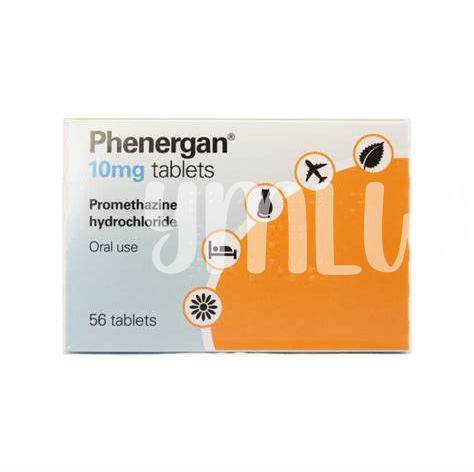
Phenergan, a medication with antihistamine properties, is often utilized to help manage allergic reactions in young children. Its active ingredient, promethazine, works by blocking histamines in the body, thus alleviating symptoms like itching and runny noses. Moreover, Phenergan can sometimes be prescribed to treat nausea and vomiting associated with motion sickness. As with any medication, it’s crucial to ensure that its use is both appropriate for the child’s age and condition, given the delicate nature of developing bodies.
Navigating Dosage: Age-specific Phenergan Guidelines
When it comes to administering Phenergan to children, understanding age-specific doses is crucial for safety. Younger children, particularly those under two years old, should generally avoid Phenergan due to risks, but older children can benefit under strict medical guidance. It’s vital to follow prescribed dosage instructions meticulously, as wrong doses can lead to severe complications.
For kids aged 2 to 12, the Phenergan dosage depends significantly on the child’s weight and condition being treated. Typically, doctors recommend the lowest effective dose to manage symptoms, whether it's for motion sickness, allergies, or other approved uses. Accurate measurement and adherence to dosage timing are essential.
Parents should always confer with their pediatrician before administering Phenergan. Interactions with other medications or conditions must be evaluated to prevent adverse effects. Furthermore, a healthcare professional can provide an exact dosage plan tailored to your child's specific needs while ensuring their safety.
Recognizing Side Effects and Their Significance
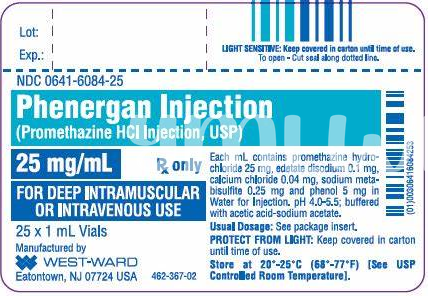
When it comes to monitoring your child’s response to Phenergan, vigilance is key. Some side effects might be mild, such as drowsiness or dry mouth, but others could be more serious, including respiratory issues or allergic reactions. It’s crucial for parents to distinguish between these varying levels of severity, as prompt recognition can safeguard your child’s wellbeing. Regularly observing your child after administration can help you detect any unusual symptoms quickly, ensuring timely medical intervention if needed. Always trust your instincts and consult healthcare professionals when in doubt.
Precautions to Take When Administering Phenergan
When introducing Phenergan into your child's care regimen, attention to detail is paramount, ensuring both efficacy and safety. Begin by consulting with a pediatrician, as they can tailor guidance based on your child’s specific health needs. It's essential to adhere strictly to the recommended dosage, considering factors such as age and weight to reduce the risk of adverse effects. Be vigilant about how you store this medication; keeping it out of reach of children is a must to prevent accidental ingestion.
Moreover, observe your child closely after the administration of Phenergan, particularly during the initial doses. Watch for any unusual reactions, such as excessive drowsiness or difficulty breathing, which require immediate medical attention. Remember, sharing the medication with other children, even with similar symptoms, is not advisable as each child’s body may respond uniquely.
| Caution | Action |
|---|---|
| Storage | Keep Phenergan out of reach of children |
| Observation | Monitor child for unusual reactions |
| Consultation | Always seek guidance from a pediatrician |
Alternatives to Phenergan for Common Child Ailments
Parents seeking safer options for managing their child's ailments might consider several Phenergan alternatives. For instance, natural remedies like ginger or peppermint tea can ease mild nausea, while honey and lemon might soothe a persistent cough. For allergies or colds, saline nasal sprays and humidifiers offer non-medicinal relief. These approaches, coupled with gentle care, can be highly effective while minimizing potential medication risks. It’s crucial to consult with a pediatrician to ensure these alternatives are suitable for your child’s needs.
