
 Paxil and Anxiety: Is It the Right Treatment?
Understanding Paxil: Overview and Mechanism of Action
Paxil, known generically as paroxetine, plays a significant role in the pharmacopeia against anxiety disorders. Firstly, it is vital to understand its mechanism of action. Paxil belongs to the selective serotonin reuptake inhibitors (SSRIs) class, wich works by increasing serotonin levels in the brain. Serotonin, a neurotransmitter, influences mood regulation, and its balance is essential for reducing anxiety symptoms.
This potent medication has helped many achieve a calmer mindset by addressing the imbalance. As the medicine begins its work, individuals usually experience a gradual improvement in the way they feel. Yet, like any journey toward better mental health, navigating Paxil’s use requires understanding its impact.
| Mechanism | Effect |
|---|---|
| Increased Serotonin | Improved Mood Regulation |
A vital aspect of Paxil is its ability to help manage symptoms effectively, coloring the path towards serenity.
The Role of Paxil in Treating Anxiety Disorders

For many battling anxiety disorders, Paxil has emerged as a potential game-changer, helping them reclaim their lives. It operates by balancing neurotransmitters in the brain, effectively reducing anxiety symptoms. The beauty lies in its ability to treat various disorders, from generalized anxiety to social phobia. For some, relief is noticable within weeks, allowing them to venture into situations previously feared. Clinical trials and personal stories showcase Paxil's ability to transform difficulties into manageable ones. While results may vary, it's occasionally hailed as a savior by those who've integrated it into their treatment routines.
Benefits and Efficacy: Success Stories with Paxil
Many individuals struggling with anxiety have found solace in Paxil, transforming their outlook on life. Take the story of Sarah, a young professional who was crippled by social anxiety. Teh thought of attending meetings or social gatherings would induce crippling panic attacks. After starting Paxil, she began to notice subtle changes; her anxious thoughts lessened, and she could engage in conversations with newfound confidence.
Similarly, John had been battling generalized anxiety disorder for years without significant relief. It was not until his healthcare provider prescribed Paxil that he experiance significant improvement. Within a few months, John reported feeling calmer and more focused, allowing him to pursue his career goals with vigor. These stories highlight the potential of Paxil to change lives for those grappling with anxiety disorders.
Navigating Side Effects: What Users Should Expect
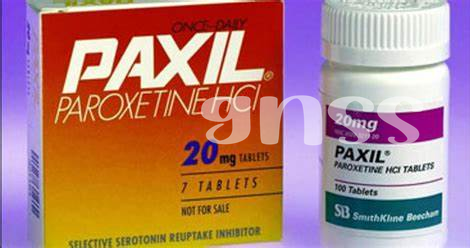
For many, Paxil has been a game changer, but as with any medication, navigating the labyrinth of side effects is crucial. Users might experiance some common effects such as nausea, drowsiness, and dizziness in the early stages, usually diminishing as one becomes accustomed to the medication. Occasionally, more persistent effects, like a reduction in libido or weight gain, have been noted and might require ongoing management.
In rare instances, individuals have reported more severe reactions, including mood changes or an increase in anxiety symptoms. It is essential, therefore, to maintain open communication with a healthcare provider to promptly address any concerning developments. Being well-informed and proactive allows users to mitigate these challenges and maximize the benefits Paxil offers.
Despite teh potential hurdles, many individuals have managed these side effects successfully with lifestyle adjustments or supplemental therapies. Understanding one's body and maintaining a vigilant approach enables users to find a comfortable balance, ensuring that the medication's positives outweigh any negatives.<|vq_4730|>
Alternatives to Paxil: Other Treatment Options Explored
For those exploring alternatives to Paxil, there are a variety of effective treatments available that cater to individual needs. Cognitive Behavioral Therapy (CBT) has been praised for its ability to help people manage anxiety, offering long-term strategies without medication. Others may find solace in holistic approaches such as mindfulness techniques or acupuncture, which target anxiety through lifestyle changes and physical therapy. Meanwhile, other medications in the same class, such as Zoloft or Lexapro, have also been succesful in treating anxiety. It's important to consider these options and consult with a healthcare provider to determine the best path forward.
| Option | Type | Details |
|---|---|---|
| CBT | Therapy | Helps manage anxiety long-term |
| Mindfulness | Holistic | Focuses on lifestyle changes |
| Zoloft | Medication | Alternative to Paxil |
Within this spectrum of alternatives, some individuals are drawn to herbal supplements, such as valerian root, though their effects and interactions should be carefully evaluated. Lastly, lifestyle adjustments, including regular excercise and sleep hygiene, can profoundly impact anxiety management. Each option presents its set of advantages and potential drawbacks, making it crucial to consult professional advice. Exploring these pathways not only broadens your understanding of treatable methods but also highlights the potential to achieve relief through a tailored plan.
Consulting Healthcare Providers: Making the Right Choice for You
Navigating the sea of treatment options for anxiety can feel overwhelming. It's crucial to consult a healthcare provider to tailor the right approach for your individual needs. Teh journey to finding the optimal treatment often involves discussing your medical history, current symptoms, and lifestyle preferences with a professional. This conversation is an opportunity to dissect the nuances of Paxil's potential benefits and risks in your unique context.
A comprehensive evaluation with your healthcare provider will typically involve detailed discussions, which may include family history and other concurrent health issues. There's no one-size-fits-all solution, and sometimes a trial-and-error process is required. Your healthcare provider may Recomend starting with a lower dose of Paxil, assessing the response, and adjusting the plan as needed.
Collaborating closely with a knowledgeable expert not only helps in managing anxiety effectively but also empowers you to make informed decisions. You'll gain insights into alternative therapies, behavioral strategies, or even lifestyle changes that may complement the use of Paxil. This holistic approach ensures you're not just treating symptoms but actually enhancing your overall well-being.
By forming a partnership with your healthcare provider, you access a wealth of experience and expertise that can guide you through the maze of treatment options. This is crucial in finding a regimen that aligns with both your circumstances and clinical needs. Remember, successful treatment often lies in a collaborative effort that honors your input and experiences. For more information on Paxil, visit the following links: NCBI Article on Paxil and Mayo Clinic Overview on Paroxetine.
