
 Comparing Methocarbamol with Other Muscle Relaxants
Understanding Methocarbamol: a Brief Overview
Methocarbamol is a centrally acting muscle relaxant commonly prescribed for relieving discomfort associated with acute musculoskeletal conditions. Its mechanism of action is thought to involve the inhibition of neurotransmissions in the central nervous system, which reduces muscle spasms without directly relaxing tense skeletal muscles. This property makes methocarbamol particularly helpful in providing pain relief and increasing mobility in patients.
Historically, methocarbamol has been utilized in various medical settings due to its relatively favorable safety profile and limited side effects compared to other muscle relaxants. It is often prescribed as part of a comprehensive treatment plan, including rest and physical therapy, for muscle spasm-related injuries or conditions.
The drug's bioavailability is enhanced when taken orally, typically taking effect within 30 minutes to an hour, providing timely relief for patients in distress. Although methocarbamol is less sedating than some of its counterparts, users should still exercise caution in activities requiring full alertness, such as driving or operating machinery.
| Attribute | Methocarbamol |
|---|---|
| Dosage Form | Oral Tablets, Injectable |
| Onset of Action | 30-60 Minutes |
| Common Use | Muscle Spasms |
| Key Advantage | Lower Sedation Risk |
Key Differences: Methocarbamol Vs. Cyclobenzaprine
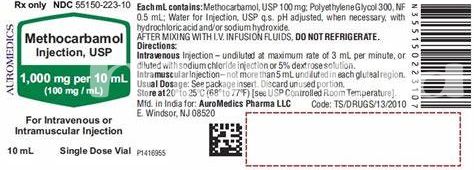
Methocarbamol, a central nervous system depressant, primarily functions by blocking nerve signals sent to the brain, providing relief from acute muscle pain and discomfort. Unlike cyclobenzaprine, which is known for its more sedative properties, methocarbamol generally presents a lower risk of drowsiness. This difference can be pivotal for patients who must remain alert, such as those engaging in daily activities or needing to operate machinery.
Moreover, methocarbamol typically exhibits fewer anticholinergic side effects. Cyclobenzaprine, often prescribed as an adjunct for longer-term treatment, may result in more pronounced dry mouth or blurred vision. For individuals affected by anticholinergic effects, methocarbamol might offer a preferable therapeutic option with fewer adverse reactions.
Comparing Methocarbamol with Baclofen Benefits
The world of muscle relaxants offers diverse choices, each with unique benefits. Methocarbamol, known for its rapid onset and mild sedation, is frequently used for acute musculoskeletal conditions. It shines by providing relief without heavily sedating patients, allowing them to maintain daily activities with less disruption. On the other hand, Baclofen is often prescribed for its enhanced ability to alleviate spasticity, particularly in conditions like multiple sclerosis and cerebral palsy. This makes Baclofen highly effective for long-term management of chronic conditions with significant muscle tightness.
However, where Methocarbamol has an edge is its tolerability. Patients may prefer it due to fewer side effects related to drowsiness, which can be more pronounced with Baclofen. Thus, the choice between these muscle relaxants often depends on the specific condition and patient tolerance for sedation.
Advantage of Methocarbamol over Tizanidine

When considering muscle relaxants, methocarbamol stands out with its low sedation profile. While tizanidine is effective, it often causes significant drowsiness, impacting patients' daily routines. Methocarbamol, on the other hand, offers muscle relaxation with less fatigue, making it a preferable option for those needing to stay alert.
Another advantage is its versatility in pain management, as methocarbamol is commonly used for various musculoskeletal conditions. This flexibility gives it broader appeal, especially for patients who require a muscle relaxant that doesn't heavily interfere with their day-to-day activities.
Methocarbamol and Carisoprodol: Usage and Effectiveness
When delving into the uses of methocarbamol and carisoprodol, it's essential to understand how these muscle relaxants function to alleviate discomfort associated with acute musculoskeletal conditions. Methocarbamol is particularly lauded for its rapid onset of action, making it a go-to choice in situations requiring prompt relief. On the other hand, carisoprodol is often prescribed for short-term relief and is metabolized into meprobamate, which can have sedative effects.
The effectiveness of methocarbamol lies in its ability to reduce muscle spasms without significantly affecting muscle strength. This can be especially beneficial for individuals seeking to maintain daily activities with minimal side effects. Carisoprodol's efficacy, while notable, comes with the caveat of potential dependency due to its sedative nature, prompting careful monitoring by healthcare providers.
| Attribute | Methocarbamol | Carisoprodol |
|---|---|---|
| Onset of Action | Rapid | Moderate |
| Metabolites | None of significant concern | Meprobamate |
| Dependency Risk | Low | Higher |
In terms of usage, both medications require careful adherence to prescribed dosages to maximize benefits while minimizing risks. Methocarbamol's lower sedative profile allows users to stay active, making it a favorable choice for daytime use. Meanwhile, carisoprodol should be reserved for situations where sedation might not pose an issue, necessitating additional caution in its prescription and consumption.
Common Side Effects Across Various Muscle Relaxants
When it comes to muscle relaxants, experiencing side effects is not uncommon. Methocarbamol and others like cyclobenzaprine, baclofen, and tizanidine often cause tiredness or drowsiness, making it essential for users to avoid tasks that need alertness, like driving. Nausea and headaches are also frequent complaints, impacting a patient's day-to-day comfort. Less commonly, some might experience dizziness or a dry mouth, affecting overall well-being. Despite these inconveniences, understanding the side effects is crucial for optimal treatment.
These adverse effects highlight why personalized medical advice is necessary when selecting a muscle relaxant. Each medication's interaction with an individual's unique body chemistry can vary. Consulting with a healthcare provider ensures the chosen treatment will effectively meet the patient's needs while minimizing unwanted symptoms.
Methocarbamol Study - NCBI Methocarbamol Reference - PubMed
