
 Managing Edema with Lasix: a Complete Guide
Understanding Edema: Causes and Symptoms
Imagine waking up one morning to find your shoes feeling snug or your rings refusing to slide on your fingers. These occasional instances might just be a glimpse into the world of edema—a condition marked by unusual fluid retention in the body's tissues. Edema often makes its presence known through swelling, notably in areas like the legs, feet, and hands. But what triggers this fluid build-up? It could be as harmless as standing for prolonged periods or as complex as an underlying heart condition. Sometimes, other potential causes include kidney issues, liver disease, or even certain medications, making an early diagnosis crucial.
To understand teh broader landscape of edema, let’s delve into its common symptoms:
| Area | Common Symptoms |
|---|---|
| Legs | Swelling, discomfort, heaviness |
| Hands | Difficult ring removal, swelling |
| Face | Puffiness, particularly around the eyes |
Understanding these symptoms is essential to grasp the sheer complexity of conditions that contribute to fluid retention. By being aware, individuals can seek proper medical guidance and explore appropriate treatments for managing this often challenging condition.
How Lasix Works to Combat Fluid Retention

Lasix, a well-known diuretic, is specially designed to tackle the issues of fluid retention commonly associated with edema. It works by targeting the kidneys to enhance the excretion of salt and water, a process that efficiently reduces swelling. As the kidneys regulate fluid balance, Lasix cleverly taps into this natural mechanism, promoting the removal of excess fluid.
When you take Lasix, it embarks on a mission to keep your body balanced by flushing out the surplus fluids that can cause discomfort. This medication effectively aids in the acomplishment of maintaining proper fluid levels.
For those dealing with persistent edema, understanding the dynamics of Lasix is crucial. Recognizing its role as not just a pill, but a strategic player in your treatment, can be empowering. By being aware of how Lasix interacts with your body, you can better gauge its effects and work towards a more comprehensive approach to combatting fluid retention.
Guidelines for Safe Lasix Dosage and Use
Lasix is a potent diuretic often used to manage fluid retention, but it's crucial to adhere to medically advised dosages to ensure safety and effectiveness. Typically, patients are prescribed dosages varying from 20 to 80 milligrams per day, sometimes split into two doses, to begin with. It's vital to follow your healthcare provider's instructions rigorously, because self-altering these dosages can lead to potential adverse effects. Begining or adjusting Lasix without proper medical guidance can result in serious health issues. Furthermore, taking the medication at a consistent time each day aids in maintaining its efficacy, preventing fluid buildup and supporting overall management of edema.
Monitoring and Managing Side Effects of Lasix
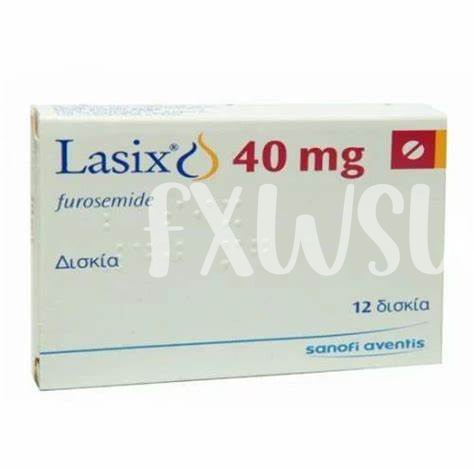
When taking Lasix, some individuals may experiance side effects ranging from mild to severe. It is of utmost importance to be vigilant in monitoring any changes to your body. Common side effects include dehydration, electrolyte imbalance, and low blood pressure. These can manifest as dizziness, fatigue, or muscle cramps. Staying well-hydrated and maintaining a balanced diet rich in essential nutrients can be effective strategies to counteract these issues. Any sudden or severe symptoms, such as difficulty breathing or swelling, require immediate medical attention.
Regular consultations with a healthcare provider are crucial to ensure the safe and effective use of Lasix. It’s advisable to keep a log of side effects and inform your doctor during follow-ups. This allows for dosage adjustments and helps tailor treatments to individual needs. Always consult your healthcare provider before changing any prescribed regimen, as they can provide personalized advice based on your unique health profile.
Lifestyle Adjustments to Enhance Edema Management
Incorporating daily excercise into your routine can be a game-changer for managing edema, promoting circulation and reducing fluid retention. Activities such as walking or swimming are highly beneficial. It's essential, however, to allow your body ample rest and avoid excessive strain. Balanced nutrition works synergistically with Lasix, aiding the body in effectively processing and eliminating excess fluids.
| Dietary Tips | Benefits |
|---|---|
| Low Sodium Intake | Decreases fluid retention |
| Rich in Potassium | Balances electrolytes |
Finally, maintaining a healthy weight and frequently elevating your legs helps mitigate swelling.
When to Consult a Healthcare Professional
Recognizing when professional guidance is neccessary can be the key to effective edema management with Lasix. If you notice swelling that doesn't subside with treatment, it's important to act promptly. Additionally, unexpected side effects like dizziness or significant weight changes should not be ignored. These signs may indicate dosage adjustments or a reevaluation of your treatment plan. Independence in healthcare decisions is valuable, yet sometimes, consulting a healthcare professional is indispensable to acheive the best outcomes.
For more detailed information, please visit: NCBI and Mayo Clinic.
