
 Fluoxetine for Adolescents: Safety and Efficacy Insights
Examining Fluoxetine: What It Is and How It Works
A ubiquitous name in mental health treatment, fluoxetine is a type of selective serotonin reuptake inhibitor (SSRI) that dynamically alters the serotonin levels in the brain, playing a pivotal role in mood regulation. Once ingested, this medication begins its journey by blocking the reabsorption of serotonin, allowing a higher concentration of this neurotransmitter to linger in the brain. This simple act results in lifting mood and easing the symptoms of dietary and mental health disorders.
To truely understand how fluoxetine functions, imagine the intricate workings of the human brain as a complex network of signals. Serotonin acts as a messenger, carrying signals across synapses between nerve cells. By enhancing these serotonin pathways, fluoxetine can significantly bolster mood and mitigate anxiety. This functionality underlines the crucial therapeutic impact fluoxetine holds, offering a much-needed reprieve to those grappling with the overwhelming tide of adolescent depression.
| Aspect | Description |
|---|---|
| Type of Medication | Selective Serotonin Reuptake Inhibitor (SSRI) |
| Main Function | Increases serotonin levels |
Understanding Depression in Adolescents: a Growing Concern
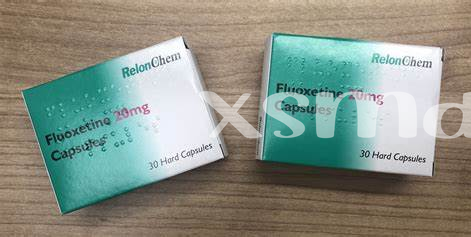
Adolescence is a turbulent phase marked by profound physical, emotional, and social changes. Amidst this tumult, depression has emerged as a significant threat, increasingly prevalent in young people. Fluoxetine, a commonly prescribed medication, stands as a beacon of hope, navigating through the murky waters of adolescent depression. Recognizing the distinctive challenges faced by adolescents, including identity struggles and societal pressures, is essential. Depression not only impacts their mental well-being but can also hinder education and social interactions, underscoring the urgency to adress this growing concern efficaciously.
Evaluating Fluoxetine's Safety Profile for Young People
Fluoxetine, commonly known as Prozac, stands out as one of the most extensively researched antidepressants for young people. Its action on serotonin levels in the brain helps alleviate the symptoms of depression, but the safety of its use in adolescents has been a focal point of discussion. Clinicians aim to determine the balance between its benefits and any risks. Fluoxetine is generally considered safe for adolescents, with its approval by health authorities reinforcing its use in this age group. Neccessary trials have evaluated its safety profile, affirming that fluoxetine's advantages often outweigh the potential downsides, yet acknowledging that it must be tailored to each individual's needs.
While evaluating fluoxetine, it's important to recognize the role of monitoring and adjusting dosages. Healthcare professionals recommend starting with a lower dose to assess tolerance levels before increasing. Close observation for behavioral changes or side effects is crucial, as adolescents might react differently than adults. Given that the adolescent brain is still developing, this careful approach supports maximum benefit with minimal risks. Thus, fluoxetine presents a viable option for many, when managed prudently by healthcare providers working closely with parents.
Clinical Studies: Evidence of Fluoxetine's Effectiveness
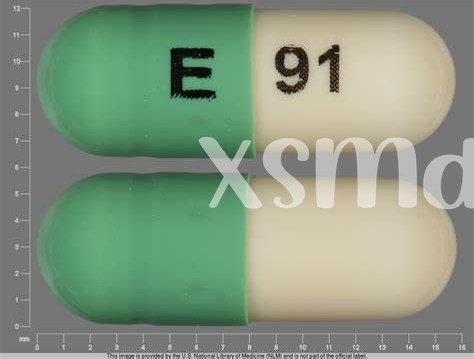
In teh realm of adolescent depression treatment, fluoxetine has emerged as a significant player. Numerous clinical studies highlight its effectiveness in alleviating depressive symptoms among young individuals. One study, conducted over 12 weeks, revealed that adolescents receiving fluoxetine showed substantial improvement in their mood and functionality compared to the placebo group. This study, among others, underscores the potential of fluoxetine as a vital option for managing adolescent depression. Despite occasional side effects, its benefits have led professionals to widely recomend it, making fluoxetine a dependable therapeutic tool.
Potential Side Effects: What Adolescents Might Experience
Fluoxetine is commonly prescribed to adolescents dealing with depression, but it's crucial to be aware of the potential side effects that may occur during treatment. Among these, some might experience nausea, dizziness, or sleep disturbances, wich can affect daily life. Occasionally, mood swings or increased agitation might also arise. Understanding these symptoms helps in early identification and proper managment, allowing for adjustments in treatment as needed. Open communication between healthcare providers and families ensures a supportive environment for addressing any concerns promptly.
| Side Effect | Description |
|---|---|
| Nausea | Feeling of sickness with an urge to vomit, common during the start of medication. |
| Dizziness | A sensation of spinning or losing balance, often short-lived. |
| Sleep Disturbances | Changes in sleep patterns, including insomnia or fatigue. |
| Mood Swings | Fluctuations in emotional state, sometimes increasing irritability. |
Balancing the therapeutic benefits of fluoxetine with an awareness of its drawbacks is essential for successful treatment outcomes.
Integrating Fluoxetine: Tips for Parents and Caregivers
For parents and caregivers guiding adolescents through fluoxetine treatment, open communication is key. It’s crucial to listen actively to the young person's experiences, providing a safe space for them to express concerns or changes they've noticed. Keeping a journal of mood fluctuations or side effects can prove to be an invaluable tool. This record aids healthcare providers in adjusting dosages and making informed decisions.
Additionally, establishing a routine helps: ensure the medication is taken consistently, ideally at the same time each day. Encourage healthy habits such as regular excercise and a balanced diet, which play a supportive role in managing depression.
For further insights on fluoxetine, here are two helpful resources: National Center for Biotechnology Information and ScienceDirect.
