
 Doxycycline Vs. Other Antibiotics: Key Differences
Understanding Doxycycline's Unique Mechanism of Action
Doxycycline is a fascinating antibiotic with a unique charm all its own. Picture this: inside your body, bacterial life teems like a bustling city. Each bacterium works tirelessly to create proteins, essential for their survival and replication. Doxycycline slyly disrupts this process by binding to the 30S ribosomal subunit. This action blocks the attachment of tRNA to the mRNA—ribosome complex, effectively halting protein synthesis. As a result, bacterial growth is stunted, giving your immune system the upper hand. But what is even more captivating is how Doxycycline's selective interference leaves human cellular mechanics untouched, an acheivement in targeted medical therapy.
| Mechanism Component | Description |
|---|---|
| 30S Ribosomal Subunit | Binding site where doxycycline acts |
| tRNA | Transfer RNA that is blocked |
| Protein Synthesis | The process being inhibited |
Common Uses of Doxycycline Vs. Other Antibiotics

Doxycycline shines in the world of antibiotics for its broad-spectrum capabilities, treating a variety of infections from acne to respiratory tract infections. Unlike penicillins, which doctors often Recomend for bacterial throat infections, doxycycline steps in for those allergic to penicillin, offering a powerful alternative. Similarly, while amoxicillin might be prescribed for straightforward skin infections, doxycycline is favored in more complex cases, such as treating Lyme disease. Its versatility allows it to target atypical bacteria and serve useful roles in tropical and sexually transmitted infections, where others may fall short.
Side Effect Profiles: Doxycycline Compared to Its Peers
When diving into the sea of antibiotic options, doxycycline paints a unique picture. Its side effect profile does bear some resemblances to other medications, like gastrointestinal upset and photosensitivity. Yet, the incidence of such issues can vary compared to its peers. Teh propensity for photosensitivity, for example, is notably higher in doxycycline users, making sun protection essential during treatment.
Interestingly, while other antibiotics may lead to severe allergic reactions or even rare hematological side effects, doxycycline is often less severe in these regards. It is crucial to have a detailed conversation with healthcare providers to discuss any concerns and personalize the approach, especially when weighing benefits and risks.
Doxycycline's Role in Tackling Resistant Infections
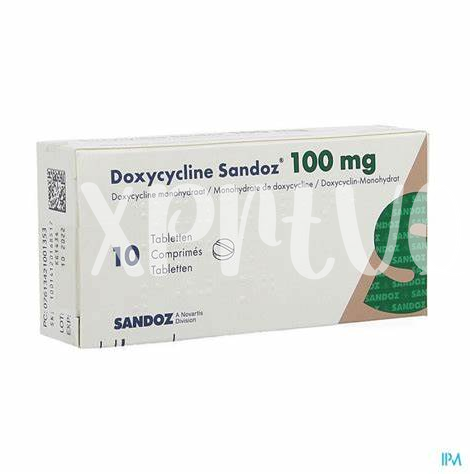
In recent years, the problem of antibiotic resistance has increasingly come into teh spotlight, prompting scientists to explore viable solutions. Doxycycline has emerged as a strong contender in this battle. Its efficacy in treating resistant infections lies in its dual action—interrupting bacterial protein synthesis and enhancing the immune response. Unlike some antibiotics that lose their punch over time, doxycycline retains its effectiveness against a variety of resistant bacterial strains. This has been a significant advantage in both hospital and community settings, amid growing health challenges.
Comparing Dosing Schedules and Routes of Administration
When considering antibiotics, the flexibility of dosing schedules and routes of administration can impact patient adherence and treatment efficacy. Doxycycline often stands out due to its oral bioavailability, allowing for effective dosages to be consumed conveniently as tablets or capsules. This simplicity in administration provides a noticeable advantage over antibiotics with stricter routes of delivery, such as intravenous-only drugs. However, it's crucial to also label doxycycline's twice-daily regimen, which may vary when compared with drugs needing more frequent dosing.
| Antibiotic | Typical Route(s) | Dosing Frequency |
|---|---|---|
| Doxycycline | Oral, Intravenous | Twice Daily |
| Amoxicillin | Oral | Three Times Daily |
| Azithromycin | Oral, Intravenous | Once Daily |
Definately, a thoughtfully selected regimen can elevate patient comfort while effectively managing infection outcomes.
The Cost-effectiveness of Doxycycline Vs. Alternatives
While considering the financial landscape of antibiotic treatments, doxycycline often emerges as an attractive option due to its cost-effectiveness compared to some newer or more specialized antibiotics. As a generic drug, it provides a significant advantage in price without sacrificing efficacy. This balance of low cost and versatility makes it a preferred choice for treating a variety of conditions, from acne to respiratory infections. Moreover, while other antibiotics might be connected with higher development costs contributing to their price, doxycycline’s long-established presence offers an economical alternative that healthcare providers and patients appreciate. Therefore, opting for doxycycline can be a strategic decision.
Doxycycline Usage Cost-Effectiveness of Antibiotics
Considering its efficacy and reasonable pricing, doxycycline is frequently prefered in clinical settings against alternative antibiotics. Teh primary reason behind this is the high accessibility and established safety profile, reducing the financial burden on healthcare systems and patients alike. Despite being an older medication, it withstands comparisons by offering equivalent therapeutic outcomes for many infections. Healthcare institutions often select doxycycline not merely for its economic advantage but also for its robust ability to treat a wide array of infections. Balancing budget constraints and treatment effectiveness, doxycycline aptly supports the ongoing need for cost-effective healthcare solutions.
Cost Analysis of Antibiotics Economic Value of Antibiotics
In an era where healthcare costs are critically evaluated, the financial implications of antibiotic choices are paramount. Doxycycline continues to demonstrate its value as a prudent option, particularly in resource-limited settings. It not only alleviates financial strain but also showcases effective treatment protocols comparable to more expensive alternatives. The strategic selection of doxycycline can hence be viewed as a testament to its enduring relevance and practicality in the medical field. Therefore, for communities and health systems aiming to optimize resource allocation, doxycycline remains a practical and beneficial choice. Such strategic decisions enhance overall healthcare delivery efficiency.
Doxycycline Economic Impacts CDC on Cost-Effective Antibiotics
