
 Exploring Clindamycin's Role in Acne Treatment
Understanding Acne: Causes and Challenges
Acne is a prevalent skin condition driven by a combination of factors, including excess oil production, clogged pores, and the presence of bacteria. Hormonal changes, particularly during adolescence, often exacerbate these issues. Environmental influences, like pollution and stress, can worsen acne severity. Moreover, genetic predisposition plays a significant role, making some individuals more susceptible. The emotional and physical impacts of acne can be profound, leading to a search for effective treatments. Understanding these complexities is crucial in developing targeted acne solutions.
| Factors | Description |
|---|---|
| Excess Oil Production | Increased sebum output clogs pores. |
| Clogged Pores | Dead skin cells block follicles, trapping oil. |
| Bacteria | P. acnes bacteria contribute to inflammation. |
Introduction to Clindamycin: an Effective Solution
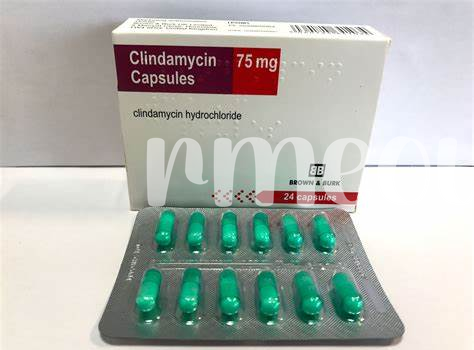
Clindamycin, a pivotal player in dermatology, is renowned for its efficacy in tackling acne, a common and often stubborn skin condition. Originally developed as an antibiotic for various bacterial infections, it has gained prominence in skincare due to its ability to specifically target acne-causing bacteria. As a topical treatment, clindamycin offers a solution that dives deep into the skin, wielding antimicrobial power to reduce acne-related inflammation and lesions.
Clinicians and patients alike have hailed clindamycin for its versatility and effectiveness in managing acne. Unlike some treatments that may cause prolonged dryness or irritation, it balances potency with skin tolerability. When used correctly, clindamycin can dramatically reduce breakouts, paving the way for clearer skin and increased confidence.
Its journey from a generic antibiotic to a leading acne treatment underscores its adaptability and important role in skincare. As patients seek tailored approaches, incorporating clindamycin can offer an effective step towards achieving healthier skin.
How Clindamycin Works Against Acne-causing Bacteria
Clindamycin is a lincomycin antibiotic that disrupts the life cycle of acne-causing bacteria like Propionibacterium acnes, which thrive in clogged pores. By inhibiting bacterial protein synthesis, clindamycin effectively reduces the bacterial population on the skin, minimizing inflammation and the formation of pustules and papules. This antibiotic operates by penetrating the skin layers, directly targeting the bacteria responsible for acne outbreaks. Its topical application allows clindamycin to reach affected areas with precision, delivering a potent remedy where it's most needed.
While clindamycin efficiently curtails bacterial growth, its true advantage lies in its synergy with other acne treatments, such as benzoyl peroxide and retinoids. This combination not only enhances antibacterial efficacy but also tackles acne on multiple fronts, addressing both inflammatory and non-inflammatory lesions. Deploying clindamycin within a broader skincare regimen ensures more comprehensive acne management and improved skin health.
Comparing Clindamycin with Other Acne Treatments
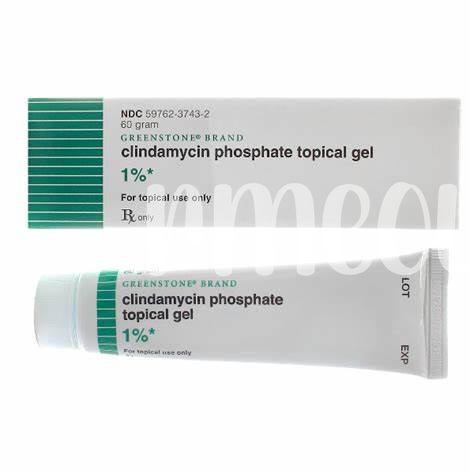
In the realm of acne solutions, clindamycin emerges as a notable contender, specifically targeting Propionibacterium acnes. Unlike benzoyl peroxide which focuses on reducing oiliness, clindamycin addresses bacterial growth—a root cause of inflammation and breakout severity. Retinoids, another popular choice, promote cell turnover but lack antibacterial properties, making them suitable for different skin conditions. Unlike oral antibiotics, clindamycin has a localized effect, minimizing systemic side effects. This targeted approach offers users the advantage of a focused treatment that fits seamlessly into varied skincare regimens.
Potential Side Effects and How to Mitigate Them
When embarking on an acne treatment journey with clindamycin, it's crucial to stay informed about possible side effects. Some users may experience dryness, redness, or peeling at the application site. This can often be managed by using a gentle moisturizer and avoiding harsh skincare products. Incorporating these soothing strategies into your routine can alleviate discomfort and enhance your experience.
It's essential also to monitor for more severe reactions, such as allergic responses. These are rare but require prompt medical attention. One way to mitigate such risks is to perform a patch test before applying clindamycin widely on your skin. Consulting with a dermatologist can provide personalized advice tailored to your skin type and history.
| Side Effect | Mitigation Strategy |
|---|---|
| Dryness and Peeling | Use a gentle moisturizer |
| Redness | Avoid harsh products |
| Allergic Reaction | Perform a patch test |
It's helpful to pair clindamycin with complementary skincare practices to maximize its effectiveness while minimizing side effects. Pay close attention to skin reactions after initial uses, adjusting your regimen as needed to maintain healthy, clear skin.
Tips for Maximizing Clindamycin's Effectiveness in Skincare
Start by using clindamycin consistently, applying it as directed to maintain an even concentration on your skin. It's important to cleanse your face with a gentle, non-comedogenic cleanser before application. Avoid applying it immediately after exfoliating to reduce irritation. Combining clindamycin with a mild moisturizer can help manage dryness. Incorporating sunscreen into your daily routine is crucial, as clindamycin can increase photosensitivity. Patience is key; results may take a few weeks. Monitoring side effects is essential to ensure ongoing use. American Academy of Dermatology: Clindamycin for Acne NCBI: Topical Clindamycin in Acne Treatment
