
 Cephalexin and Pediatric Care: Guidelines and Safety
Understanding Cephalexin: What Parents Should Know
Cephalexin, a common antibiotic in the pediatric toolkit, is vital for treating a variety of bacterial infections. As a member of the cephalosporin family, it specifically targets bacterial cell walls, effectively eradicating the microbes causing illnesses such as strep throat, skin infections, and urinary tract infections. For parents, understanding its role helps demystify its function and importance.
While it is generally safe, cephalexin should only be used as prescribed by a pediatrician. Adequate knowledge of its benefits and limitations can guide parents in decision-making and maintaining open communication with healthcare providers. Parents should also familiarize themselves with potential side effects to promptly address any issues that may arise during treatment.
| Benefit | Consideration |
|---|---|
| Effective against bacterial infections | Use only as prescribed |
| Targets bacterial cell walls | Monitor for side effects |
Indications for Cephalexin in Pediatric Patients
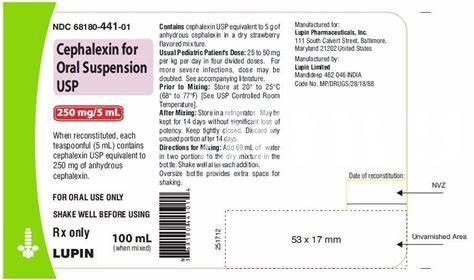
Cephalexin is a versatile antibiotic primarily prescribed to tackle bacterial infections in young patients. It is often used to treat conditions such as ear infections (otitis media), throat infections (streptococcal pharyngitis), and skin infections. Parents should understand that cephalexin is ineffective against viral infections, such as colds and flu, but plays a crucial role in combating bacteria that cause illness.
Doctors rely on cephalexin’s proven efficacy and safety profile, making it a go-to treatment for many common pediatric bacterial infections. It is crucial for parents to follow medical advice precisely, ensuring the correct application of the antibiotic for specific infections.
Dosage Guidelines: Finding the Right Balance
When administering cephalexin to children, determining the appropriate dosage is essential for both efficacy and safety. Pediatric dosages often depend on the child's weight and the specific infection being treated. It is crucial for parents and healthcare providers to adhere strictly to prescribed guidelines to avoid under- or over-medication.
A balanced dose ensures the medication is effective without overwhelming the child's developing system, thereby minimizing potential side effects. Precision and accuracy in dosage measurement, ideally using a pediatric dosing device, can help achieve this balance. Regular consultation with a healthcare provider helps adjust dosages as needed, particularly in cases of prolonged treatment.
Managing Side Effects: What to Watch for

When administering cephalexin, awareness of potential side effects can ensure a smoother treatment journey. Commonly, children may experience mild symptoms such as diarrhea, nausea, or upset stomach. It's crucial for parents to monitor these signs, as persistent issues could warrant a discussion with a healthcare provider. A more serious concern, however rare, includes skin rash, as it may indicate an allergic reaction requiring immediate attention. Understanding these symptoms allows caregivers to respond promptly, ensuring cephalexin remains an effective and safe choice for their child’s healthcare needs.
Cephalexin Allergies: Identifying and Handling Reactions
Parents often worry about allergic reactions when their child is prescribed cephalexin. Allergies can manifest through various symptoms, such as skin rashes, itching, or even respiratory difficulties. Recognizing these signs early is critical for keeping your child safe. Promptly contacting a healthcare provider can ensure rapid intervention. Keep an accessible record of any known allergies or past reactions, as this information is vital for healthcare providers.
| Allergy Symptom | Recommended Action |
|---|---|
| Skin Rash | Contact doctor promptly |
| Breathing Difficulty | Seek emergency care |
Ensuring your child wears an allergy alert bracelet can further protect them and inform others in case of an emergency.
Tips for Safe Cephalexin Use at Home
Creating a safe environment for administering cephalexin at home involves several key practices. First, always ensure the medication is securely stored, out of reach of children. Use the exact dosing tool provided, like a marked measuring spoon or cup, to avoid inaccuracies common with kitchen teaspoons. Adhering to prescribed dosages is vital—never adjust the dose without consulting your pediatrician. Keep a medication schedule to avoid missed doses, and in case one is forgotten, do not double the next dose. By maintaining a dedicated routine, you significantly reduce error risks, supporting your child’s recovery seamlessly.
